
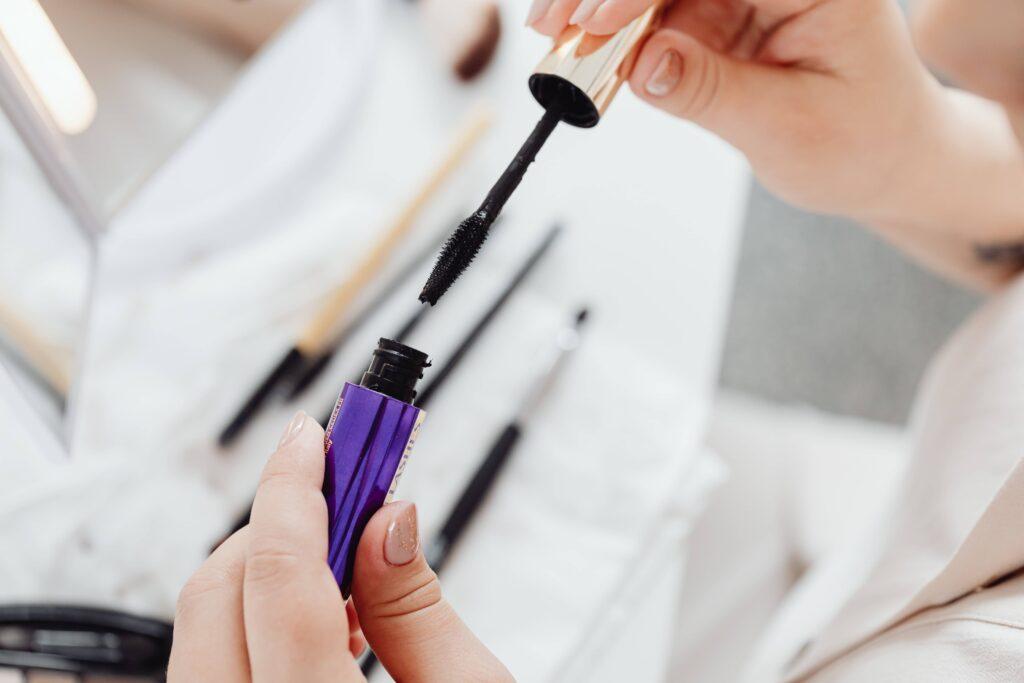
Mascara is one of the most transformative makeup products ever created. A few careful strokes can instantly make lashes appear longer, fuller, darker, and more defined. But have you ever wondered how mascara is actually made?
Modern mascara is the result of cosmetic science, ingredient chemistry, and precise formulation techniques developed over decades. While beauty brands manufacture mascara in controlled laboratories using specialized equipment, some people are also curious about making simple mascara at home using natural ingredients.
Mascara is made by blending waxes, pigments, oils, and film-forming agents into a smooth formula that coats and defines eyelashes. Commercial mascaras are manufactured in controlled cosmetic labs using heated mixing and emulsion processes, while homemade mascara recipes typically use natural ingredients like beeswax and charcoal.
In this complete guide, we’ll explore:
- What mascara is made of
- How professional brands manufacture mascara
- The science behind long-wear formulas
- How to make mascara at home safely
- Why commercial mascaras perform differently
Whether you’re a makeup beginner or a beauty enthusiast, understanding how mascara is made helps you choose better products and care for your lashes properly.
What Is Mascara Made Of?
Although mascara formulas vary between brands, most products share the same fundamental structure. Mascara is essentially a carefully balanced blend of waxes, pigments, oils, and film-forming ingredients designed to coat each lash evenly.
Waxes – The Structure Builders
Waxes give mascara its body and thickness. They allow the formula to cling to lashes and hold shape throughout the day.
Common waxes include:
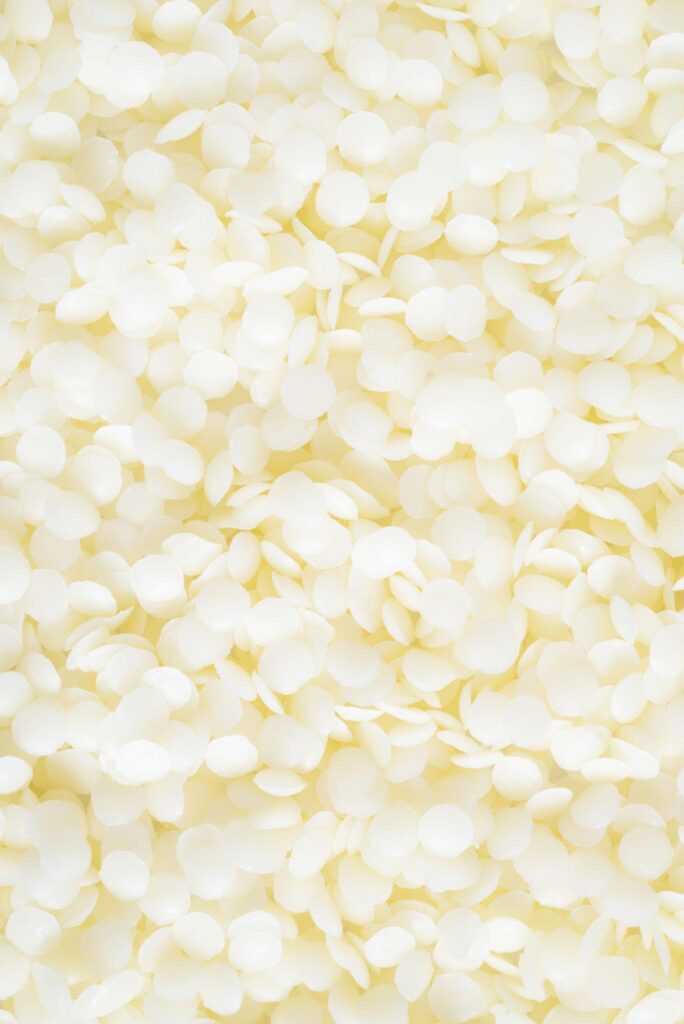
- Beeswax
- Carnauba wax
- Paraffin wax
- Rice bran wax
These ingredients help lashes appear fuller while maintaining flexibility so the formula doesn’t crack or flake.
Pigments – Creating the Lash Color
The deep black or brown color in mascara comes from mineral pigments called iron oxides.
These pigments are carefully processed to ensure:
- Smooth color distribution
- Safe eye-area application
- Long-lasting intensity
High-quality pigment dispersion is one reason premium mascaras look smoother and less clumpy.
Oils & Emollients – Smooth Application
Oils prevent mascara from feeling dry or stiff.
Common conditioning ingredients include:
- Castor oil
- Mineral oil
- Plant-based oils
- Silicone emollients
They allow the brush to glide through lashes easily while keeping them flexible.
Film-Forming Agents – The Secret to Long Wear
Modern mascaras rely heavily on polymers. These invisible film-formers wrap around lashes and help mascara resist:
- Smudging
- Humidity
- Sweat
- Tears
Waterproof mascaras contain stronger film-forming systems that repel moisture.
Preservatives – Safety Matters
Because mascara is used close to the eyes, preservation is essential. Preservatives prevent bacterial growth and keep the formula safe during daily use.
This is one of the biggest differences between professional and homemade mascara.
Understanding how mascara formulas are blended also explains why some products become thick or uneven over time. If you struggle with buildup, our guide on how to avoid clumpy mascara explains the most common causes and simple fixes.
How Mascara Is Manufactured in Cosmetic Laboratories
Most people imagine mascara being mixed like paint, but the real process is far more precise. Cosmetic laboratories follow strict hygiene and formulation standards to ensure safety, performance, and stability.

Step 1: Melting the Wax Phase
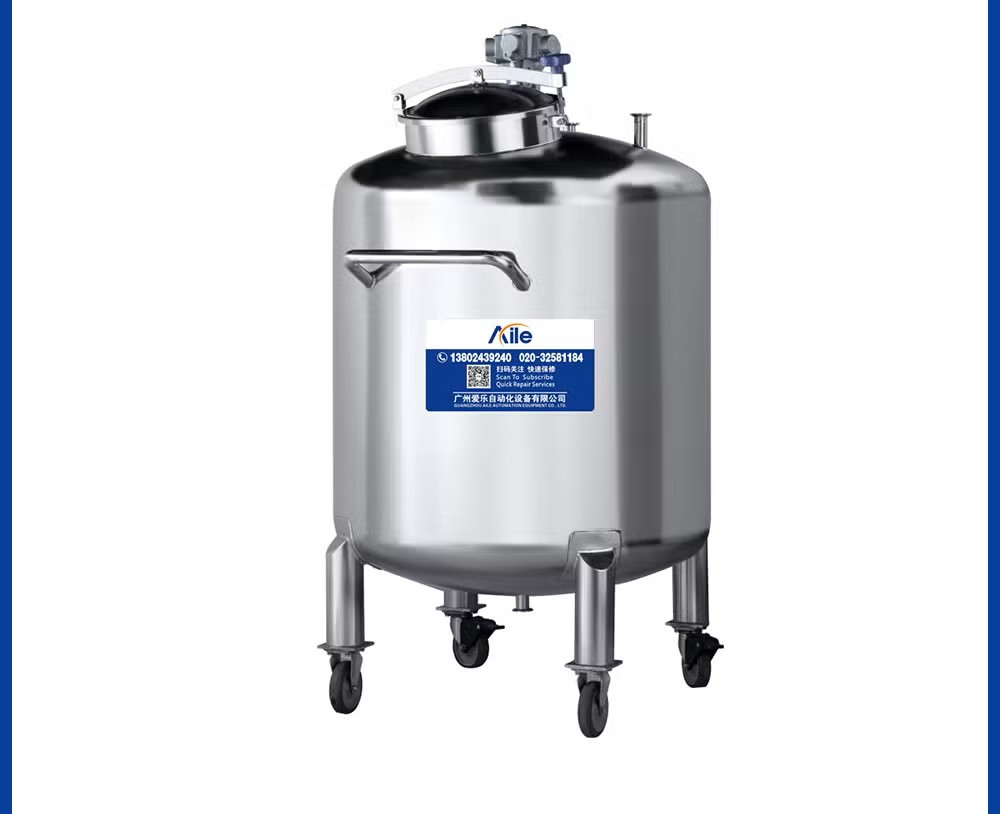
Manufacturers begin by heating waxes and oils in large stainless-steel mixing tanks. Controlled heat melts the ingredients into a smooth base.
Temperature control is critical. Too much heat damages ingredients; too little prevents proper blending.
Step 2: Pigment Dispersion
Next, pigments are slowly added and mechanically blended.
This stage determines whether mascara will look:
- Smooth and professional
- Or thick and clumpy
Advanced mixing equipment ensures every lash receives even color coverage.
Step 3: Emulsion Formation
Many mascaras are emulsions — meaning oil and water phases are combined under controlled conditions.
Chemists add emulsifiers that stabilize the mixture so the formula remains creamy rather than separating inside the tube.
Step 4: Homogenization & Texture Refinement
The formula passes through high-shear mixers or homogenizers. This process breaks down particles to create a silky texture.
Proper homogenization is why quality mascaras apply evenly without heavy buildup.
Step 5: Cooling and Stability Testing
After mixing, the mascara cools gradually while technicians test:
- Viscosity
- Smudge resistance
- Microbial safety
- Shelf stability
Only stable formulas move forward to production.
Step 6: Tube Filling and Packaging
Automated filling machines pump mascara into sterilized tubes. Brushes are inserted, sealed, and quality-checked before shipment.
This controlled manufacturing environment is impossible to replicate at home — and it explains why commercial mascaras last months instead of days.
How to Make Mascara at Home (DIY Method)
Some beauty lovers prefer experimenting with natural cosmetics. While homemade mascara cannot match professional formulas, a simple DIY version can be created for short-term use.
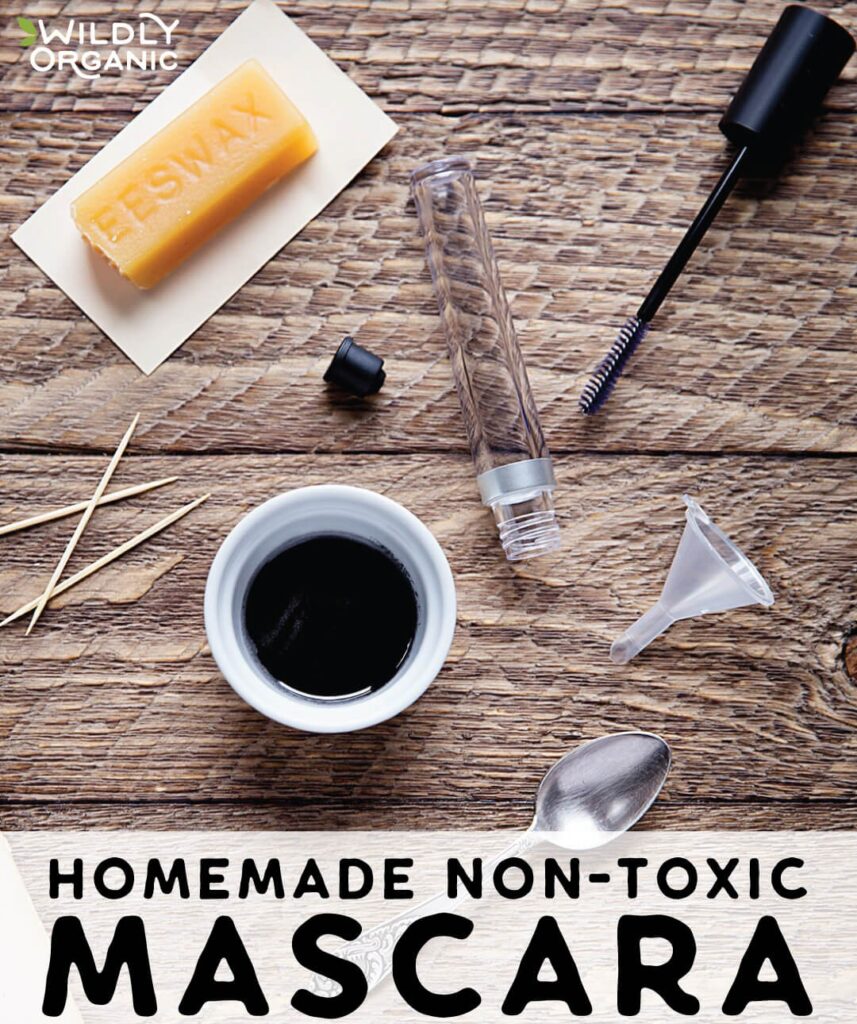
Ingredients Needed
- 1 teaspoon beeswax
- 1 teaspoon coconut oil
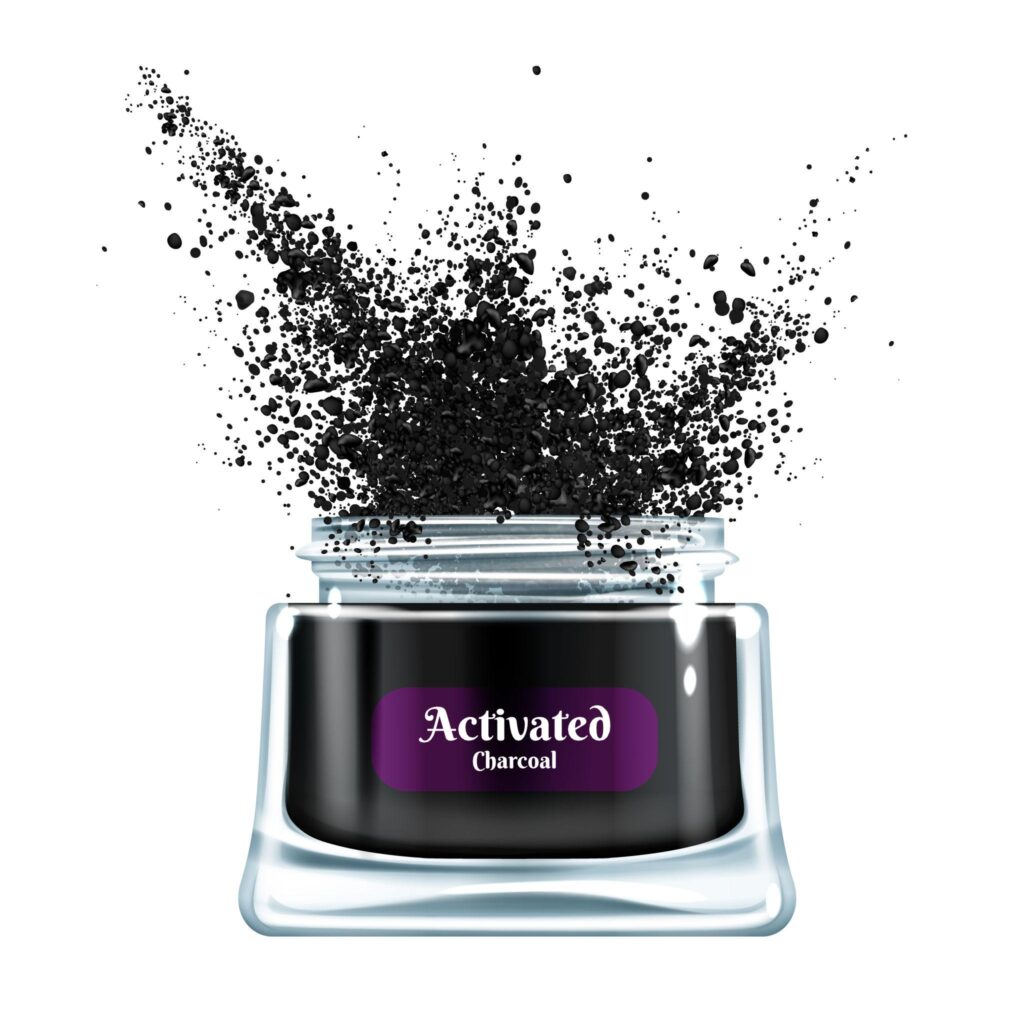
- Activated charcoal powder (for color)
- Aloe vera gel
- Clean mascara container
Step-by-Step DIY Process
- Melt beeswax and coconut oil using gentle heat.
- Remove from heat and mix in activated charcoal slowly.
- Add aloe vera gel to create a creamy texture.
- Blend thoroughly to avoid lumps.
- Transfer into a sterilized mascara tube.
Always use clean tools and containers to reduce contamination risk.
Storage and Shelf Life
Homemade mascara contains no preservatives.
For safety:
- Stop using immediately if irritation occurs
- Store in a cool environment
- Discard after 1–2 weeks
Many lash problems happen because of application habits rather than the product itself. These common mascara mistakes can affect how smoothly any formula performs.
Is Homemade Mascara Safe?
DIY mascara may sound appealing, but eye safety should always come first.
Without preservatives, bacteria can grow quickly inside homemade formulas. The warm, moist environment of a mascara tube makes contamination more likely.
Potential risks include:
- Eye irritation
- Redness
- Infection
- Short product lifespan
Dermatologists generally recommend commercially tested mascaras for regular daily wear.
Because mascara is applied close to the eyes, choosing the right formulation matters. If you experience irritation, explore our guide to the best mascara for sensitive eyes before selecting a product.
Why Commercial Mascara Performs Better
Professional mascaras outperform homemade versions because cosmetic chemists design formulas for performance, safety, and longevity.
Commercial mascaras include:
- Advanced polymers for smudge resistance
- Curl-holding technology
- Conditioning ingredients
- Stable emulsions
- Tested preservation systems
These innovations allow mascara to last all day while remaining safe around the sensitive eye area.
Different formulations are designed for specific lash goals. For example, specialized fibers and lightweight wax systems are commonly used in lengthening mascaras to create extended lash definition.
Curl-holding mascaras rely on flexible film-forming ingredients that help lashes stay lifted. Our guide to curling mascaras explains how brush design and formula chemistry work together.
How Mascara Has Evolved Over Time
Early mascaras were simple mixtures of coal dust and petroleum jelly applied using small brushes. Today’s formulas combine cosmetic chemistry and precision engineering.
Modern innovations include:
- Tubing mascaras that slide off with warm water
- Lash-conditioning formulas
- Lightweight volumizing technologies
- Flexible waterproof films
Understanding how mascara evolved helps explain why modern formulas feel lighter, smoother, and more comfortable than older products.
Frequently Asked Questions
Most mascaras should be replaced every 3 months after opening to maintain hygiene and performance.
No. Waterproof performance requires specialized polymers and laboratory testing.
Waxes are primarily responsible for volume and thickness.
Air exposure, dried formula, or excess product on the wand can cause clumping.
Many modern formulas are ophthalmologist-tested, but patch testing is always recommended.
Even the best mascara requires proper removal to protect lash health. Follow these steps on how to remove mascara properly to prevent breakage and eye irritation.
Final Thoughts
Mascara may look simple, but behind every tube lies a carefully engineered cosmetic formula. From melted waxes and dispersed pigments to advanced polymers that resist humidity, modern mascara represents the intersection of beauty artistry and scientific innovation.
While homemade mascara offers an interesting experiment, professionally manufactured formulas remain the safest and most reliable option for daily wear.
Understanding how mascara is made not only deepens your appreciation for makeup but also helps you choose products that deliver healthier, better-looking lashes.