
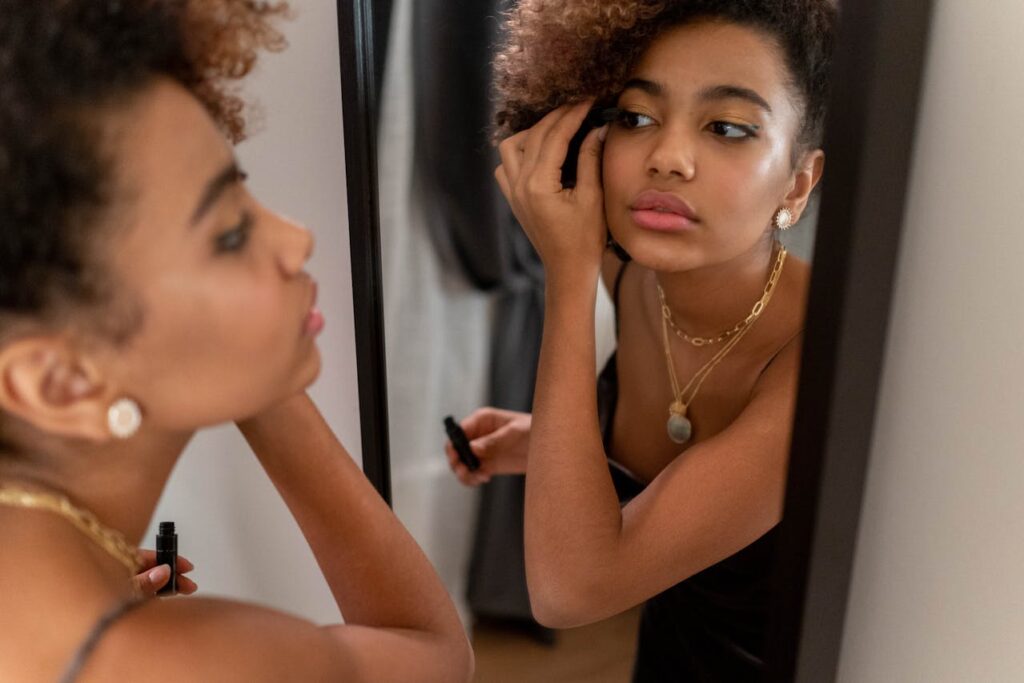
If mascara makes you look worse instead of better, the problem usually is not your face — it is the formula, brush, application technique, or how the mascara works with your eye shape and lash type. Common issues like clumping, smudging, drooping, overly heavy coats, and the wrong brush can make lashes look harsh or unbalanced. In this guide, we explain the most common reasons mascara can look unflattering and how to fix each one.
Mascara can look unflattering when it makes lashes appear clumpy, spiky, droopy, smudged, or too heavy for the rest of your makeup. Sometimes the issue is also contrast: a very black or dramatic mascara can feel too harsh on fair features, light lashes, hooded eyes, or minimal makeup looks.
Things like personal preference, the standards of society regarding beauty, and personal perceptions of beauty play a part in the way we experience this. Understanding the reasons why some people believe this way could offer additional useful insights into the psychology behind the self and beauty. The main goal of this article is to dive into the scientific facets that are the basis for our perceptions of beauty, attractiveness, and aesthetics with mascara.
By examining the scientific basis of the way mascara interacts with eyelashes, skin, lashes, and other facial features, We hope to discover the reasons why some people feel ugly wearing mascara. With a scientific approach, we attempt to unravel the psychological and physiological mechanisms that influence how mascara is perceived and how it affects self-image.
How Does Mascara Work?
Mascara coats the lashes with pigments, waxes, and film-forming ingredients to make them look darker, thicker, longer, or more lifted. Different formulas are designed for different effects, such as volume, length, curl hold, tubing wear, or water resistance.
These ingredients affect how mascara looks on the lashes. For example, heavy waxes can add bulk, fibers can increase length, and wetter formulas can create more drama but may also clump or smudge more easily on some eyes.
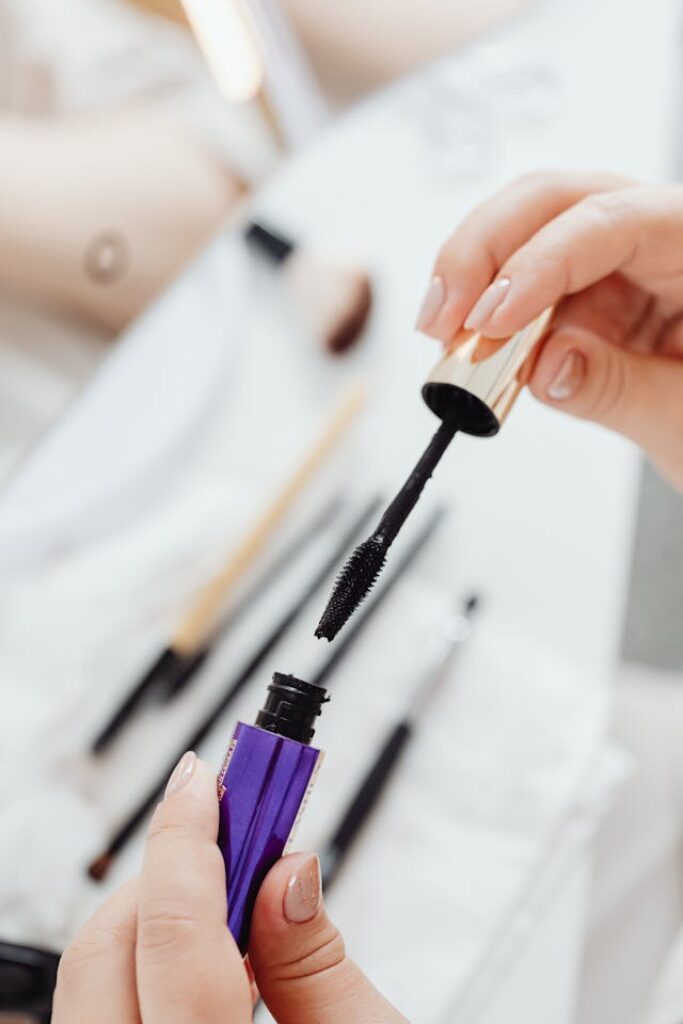
Modern Mascara: When was mascara first invented?
The invention of today’s mascara dates back to the 19th century. Eugene Rimmel developed a cosmetic using petroleum jelly, which led to Rimmel being a synonym for mascara in many languages.
Helena Rubinstein’s Innovation: In 1957, Miss Helena Rubinstein, founder of the eponymous company, introduced an invention that dramatically improved mascara, making it easy to use and less messy.
Popular Types of Modern Mascara
- Volumizing mascara: usually uses waxes and brush designs that make lashes look fuller.
- Lengthening mascara: often uses film-formers or fibers to extend the look of the lashes.
- Waterproof mascara: is designed to resist water, sweat, and tears better than washable formulas, but it can feel drier and may be harder to remove.
- Tubing mascara: forms water-resistant tubes around lashes and is often a good choice for smudge-prone eyes.
- Curling mascara: helps hold a lifted look, especially when paired with an eyelash curler.
Why Mascara Can Look Unflattering on Some Faces
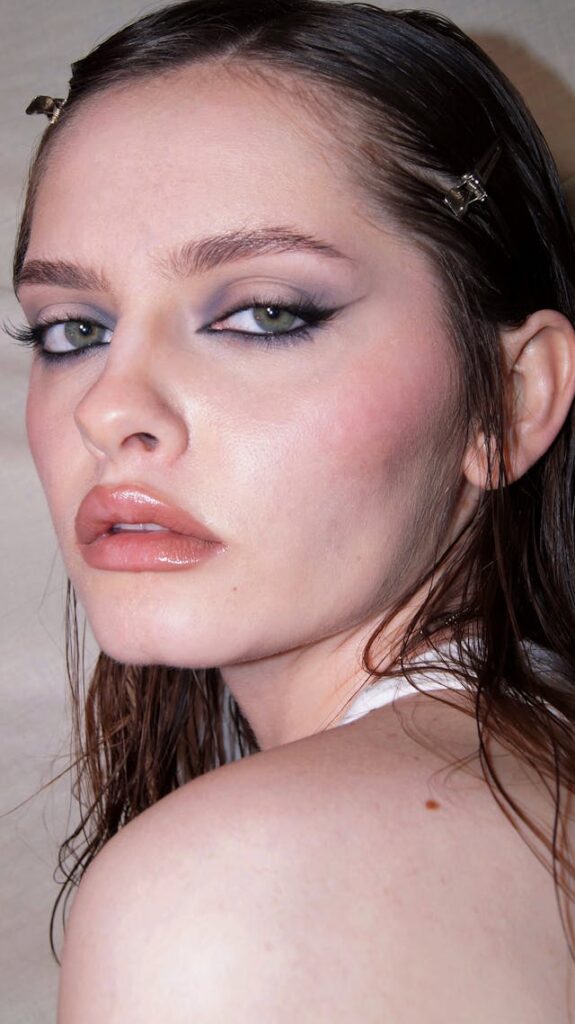
Mascara does not look bad because your features are “wrong.” Usually, it looks off when the formula, brush, color, or application style does not suit your lash type, eye shape, or overall makeup balance. Very heavy coats can overpower delicate features, while the wrong brush can create clumps or uneven separation. Makeup can influence how some people feel about their appearance, but the effect varies from person to person.
Common Problems with Mascara Application
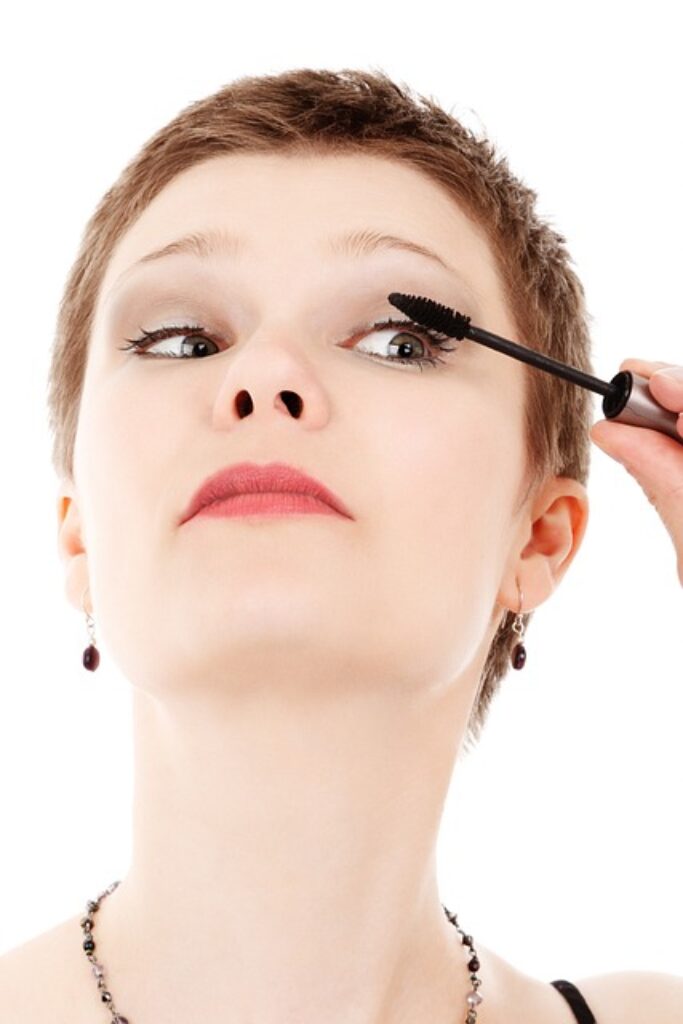
Clumping and smudging are the bane of many mascara lovers.
Clumping
To prevent clumping, wipe excess mascara off the wand before applying. Start with one light coat and wiggle the brush gently at the roots before combing upward. If your lashes still stick together, separate them with a clean spoolie or lash comb before the mascara fully sets. How To Set Your Mascara
Smudging
If mascara smudges on you, the issue may be oily lids, watery eyes, a very wet formula, or using too much product on the lower lashes. Try a tubing or waterproof formula, set the under-eye area lightly if needed, and apply less mascara to the bottom lashes. You can also hold a clean card or spoon behind the lashes during application to avoid getting mascara on the skin.
Irritation and Sensitivity: Allergic Reactions and Eye Discomfort
If your eyes are sensitive, choose fragrance-free and ophthalmologist-tested mascara and stop using any product that causes burning, redness, itching, or swelling. Patch testing facial skin may not fully predict how the eye area will react, so caution is still needed.
When to Replace Mascara
Replace mascara about every 3 months, or sooner if it smells off, dries out, or starts irritating your eyes. Never share mascara, and do not add water to revive an old tube.
Finding the Right Formula
If you have oily lids or watery eyes, waterproof or tubing mascaras may wear better than standard washable formulas. If your lashes are short, lengthening formulas may suit you better. If your lashes are sparse, a lightweight volumizing mascara may help — but overly thick formulas can look heavy very fast.
Why Mascara May Look Unflattering on You
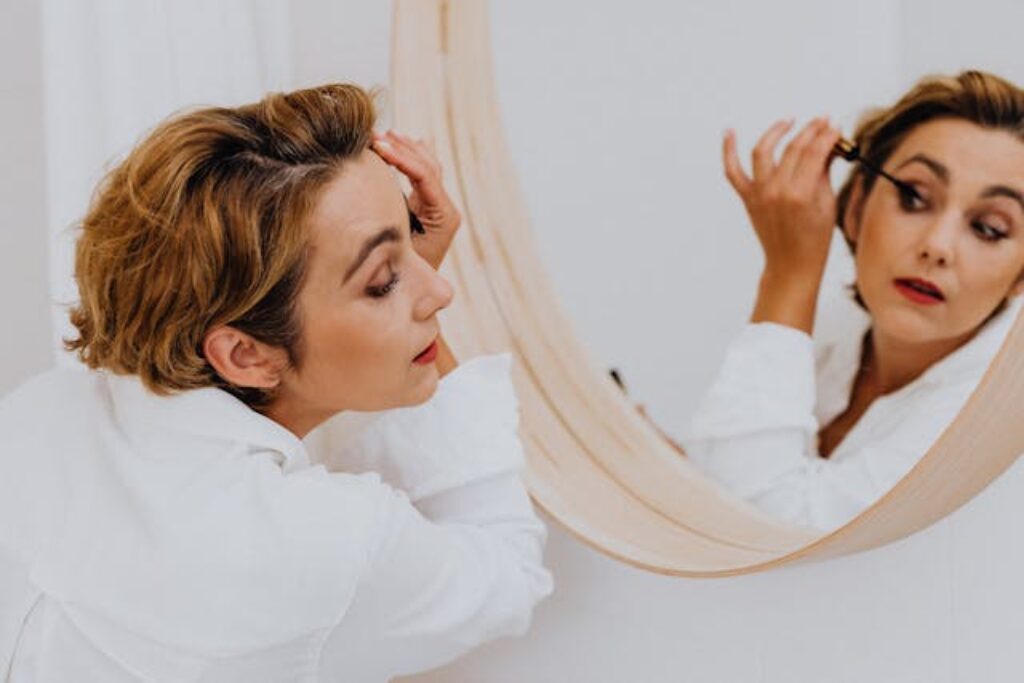
Photo by: Karolina Kaboompics
Sometimes mascara looks “wrong” simply because you are used to seeing your face without dramatic lash definition. A very dark, thick, or volumizing mascara can create too much contrast, especially if you usually wear little makeup.
Misapplication or Overapplication
Depositing excess mascara on lashes can lead to a heavy, clumpy look that can be unnatural and unsightly. This could be due to excessive amounts of product. Additionally, you are not removing any excess product from your brush. You are applying many layers without waiting for each layer to dry.
Proper Application Tip: To apply mascara correctly, curl the lashes with an eyelash curler. Apply the mascara and making sure that each layer is become dry, before applying the next.
Balancing Makeup
If you are applying mascara, it is important to keep the appearance in balance with other makeup in order to avoid creating an excessively dramatic or unnatural look. This will make people feel more at ease and attractive when they put on mascara.
Self-Esteem
The use of mascara, can have a significant impact on self-esteem. Studies suggest that makeup may give an instant boost to confidence in oneself, but overuse or dependency on makeup could cause negative self-image and self-esteem problems.
People may feel the need to apply makeup to look attractive or presentable, and this can impact their self-esteem.
Body Image
The impact of the beauty industry on women’s body image as well as their self-image is profound. Research has shown that the beauty industry has the potential to affect a woman’s confidence in herself and body image, in addition to her perception of beauty.
Mascara plays an important part in improving facial features and changing perceptions of beauty. However, having to comply with social aesthetic standards can cause feelings of being unattractive and lacking makeup.
Social Influences
Social perceptions and influences have a major impact on the way people feel about their appearance, whether they wear it or not. The media, cultural standards, and expectations of society influence the way people perceive their appearance and beauty.
Mascara is commonly used to meet social standards of beauty and boost one’s appearance to satisfy these standards. The pressure to appear in a certain manner can lead to feeling unattractive without makeup, as people might feel judged or unworthy of following these guidelines.
Tips and Tricks for Mascara Application
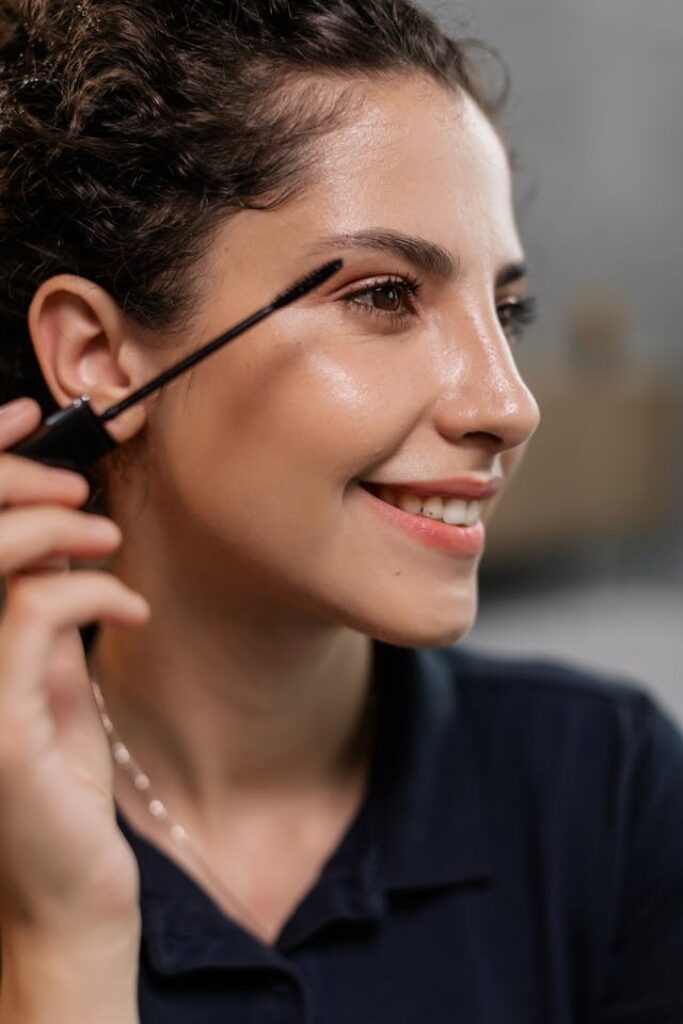
Photo by: Alena Darmel
Preparing Your Lashes: Curling, Priming, and Conditioning.
Curling
Curling the lashes before applying mascara will lengthen, lift, and make them appear larger. It also allows mascara to stick better to the lashes, which results in more defined eyes.
Priming
Applying primer to the eyelashes before applying mascara can create a smoother base for mascara to stick to the lashes, which reduces the likelihood of clumping and extends the mascara’s life.
Conditioning
Castor oil-based lash conditioner can strengthen and improve the health of your lashes, promoting growth and preventing breakage.
Wiggling
Applying mascara in a circular motion from root to tip helps create a distinct and even coat on each lash to prevent clumping and ensure a smooth application.
Comb through the lashes
Using a clean mascara wand or combing between coats can help to remove any clumps and separate the mascara lashes, resulting in more natural-looking lashes.
Angle
Holding the wand at a diagonal downward angle and gently moving it across the eye could help get rid of clumps and lash lumps.
Layering
Applying multiple coats (3 to 4) of mascara and allowing each layer to dry before applying the next coat will increase length and volume without clumping.
Choosing the Right Mascara for your needs
Understanding the concept of formulas and brushes for your eyes.
Formula
Selecting a mascara that works for your particular lash, like lengthening, volumizing, or curling, can help to complete the desired appearance.
Brush
The choice of mascara brush is also very important and a key factor in enhancing your lash appearance. Choosing a mascara brush that matches your eye’s shape and type of lash, such as a curved, tapered, conic, hourglass-shaped, or traditional mascara brush, will ensure easier application.
Always wipe excess product
The step of wiping excess mascara off the brush before applying the product will help to avoid the clumping process and warrant an even and consistent application.
Mascara age
Replace mascara every three months. This will help to avoid clumping, ensure that it is free from any bacterial growth, and it will make it safe for sensitive eyes.
Redefining Beauty Standards: Embracing Diversity and Individuality
- Unleashing from Social Expectations: Being natural is about breaking away from the norms of society. This can be done by changing beauty in such a way that it embraces the diversity of individuals and their individuality.
- Celebrating Uniqueness: Recognizing the unique features of one’s own, like freckles, the hair’s curly style, and even gaps between teeth, can improve self-esteem and inspire confidence and self-esteem.
- Positive Self-Talk: Self-talk and positive affirmations are a great way to strengthen the idea that everyone is beautiful in their own way.
Enhancing, Not Masking: Using Mascara as a Tool for Self-Expression
- Minimalistic Approach: Applying mascara to highlight natural appearances rather than covering them up is an excellent way to achieve a smooth and natural look.
- Subtle Glow: Affording high-end cosmetics, such as a premium mascara, can offer a natural appearance without looking ugly.
Confidence is the Key: Accepting Your Unique Characteristics with or without Mascara
- Self-Love: Being a natural beauty advocate means learning to appreciate yourself, taking care of your body and skin, and highlighting your natural beauty for others to admire.
- Positive Energy: When one is able to accept themselves and face life with confidence and pride, they release positive energy that attracts others.
- Self-Care: The practice of self-care, like pampering and taking care of your body and skin, can help you create a positive image of yourself and increase your self-confidence.
- Going Makeup-Free: The confidence muscle can be developed over time. A time-based commitment to a makeup-free lifestyle will help people feel at ease with their naked appearance and their natural beauty.
- Social Media Detox: Cleaning up the people who are followed on social media and removing people who don’t help those on their path to self-love may help create a more positive self-image.
- Positive Affirmations: Making positive affirmations like “I have confidence in my natural beauty” can help promote the idea that everyone is gorgeous in their own unique way.
Conclusion
In conclusion, how do I look ugly with mascara? Our exploration and research of the various aspects of mascara have given us an improved understanding of the effects it has on self-image as well as beauty. From its earliest days in Egypt to the most recent formulations, mascara has grown into a highly effective tool that can increase the look of eyelashes and highlight your facial features. However, it does have its own problems, since people face issues like discoloration, clumping, and getting smudged.
Research and Study
Through research and study, we’ve discovered the ways in which mascara influences our perception of symmetry and beauty dimensions. Personal factors such as society’s standards and preferences can influence our perception of mascara, impacting our confidence in ourselves and our self-perception.
Additionally, the common issues with applying mascara stress how important it is to use the correct method and the correct formula that meets the individual’s preferences.
The process doesn’t just end with the application of mascara. It continues to be a discussion of adopting a natural approach to beauty and changing social standards. By celebrating individuality and diversity, we can let go of false expectations and foster our love for ourselves by being open.
Whether we wear mascara or not, the most important thing is to be confident in our own individuality and radiate positive energy.
Confidence in the essence of who we are
The problem of looking ugly after wearing mascara is the truth behind beauty. Beauty is a subjective feeling that is available in a variety of ways. It’s not only about the makeup we decide to apply and the rules we adhere to. It’s about embracing our real selves and acknowledging the beauty inherent in us. As we continue our journey, we must be aware that the real beauty lies in us. Whether we wear makeup or not doesn’t matter.
References and content creation resources
- https://www.dailymail.co.uk/femail/article-4898984/Is-mascara-making-UGLY.html
- https://www.loreal.com/en/news/group/helena-rubinstein-a-champion-of-the-beauty-industry/
- psychologytoday
- www.thefactsabout.co.uk
- https://cosmeticobs.com/en/articles/products-38/le-mascaranbsp-lhistoire-2611
- https://www.frontiersin.org/journals/psychology/articles/10.3389/fpsyg.2021.661006/full
- https://www.ncbi.nlm.nih.gov/pmc/articles/PMC8956164/
Frequently Asked Questions (FAQs)
Mascara may cause clumping, smudging, or smearing under your eyes, which can make your lashes look ugly and unnatural. This could make you feel like you’re not looking good when you wear mascara.
To prevent the appearance of ugly eyes, make sure you apply mascara in small coats and let the lashes dry between coats. Do not pump the wand inside and out of the tube because this could introduce air, making the mascara dry out more quickly and resulting in a clumpy application.
Those with sensitive eyes may be allergic to mascara or one of its ingredients. If you experience symptoms like itching, redness, and swelling after the application of mascara, you could be suffering from an allergy. Consider using a hypoallergenic mascara for sensitive eyes, or one free of common allergens like fragrances or parabens.
Yes, mascara may make your eyes appear smaller when applied too much, or cause your lashes to clump together. To prevent this from happening, use an easy hand when applying mascara. Focus on the outer lashes in order to give a more curled and lifted look.
There’s no need to stay away from mascara completely. Instead, you can experiment with various mascara types and methods of application to discover the one that works best for you. You might consider using a lengthening mascara in place of a volumizing one, or try applying the mascara to the outer corner of your lashes to create a more subtle style.